
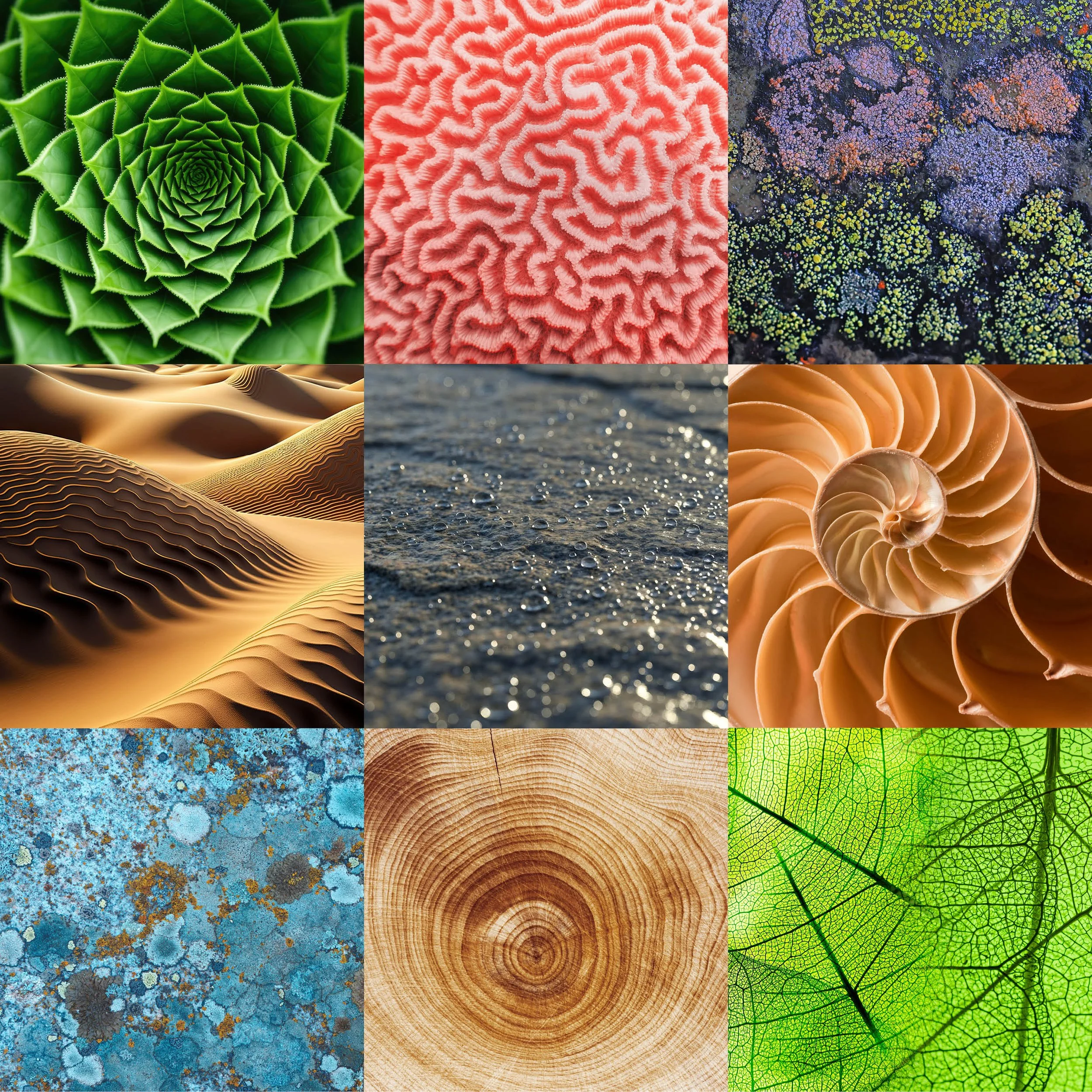
“Biophilic Design is the practice of integrating natural elements into the built environment and communities to foster stronger connectivity between people and nature.”
Creating a connection to nature within clients’ buildings and spaces is a strategy Quorum has applied to projects for decades. Maybe you’ve heard the term, “biophilic design,” but are you aware of all the techniques used to incorporate the natural world into a design project? An active water district office building project is a good example of how our architecture and interior design teams implement biophilic design.
There are several methodologies for accomplishing the goal of creating connections between buildings and nature. The most obvious of which might be daylighting.
Daylighting
When daylighting is effectively incorporated, light can positively benefit the well-being of building occupants. Many studies have confirmed the benefits of natural light on humans. Mood is improved. The immune system is strengthened. Productivity increases and focus is elevated.
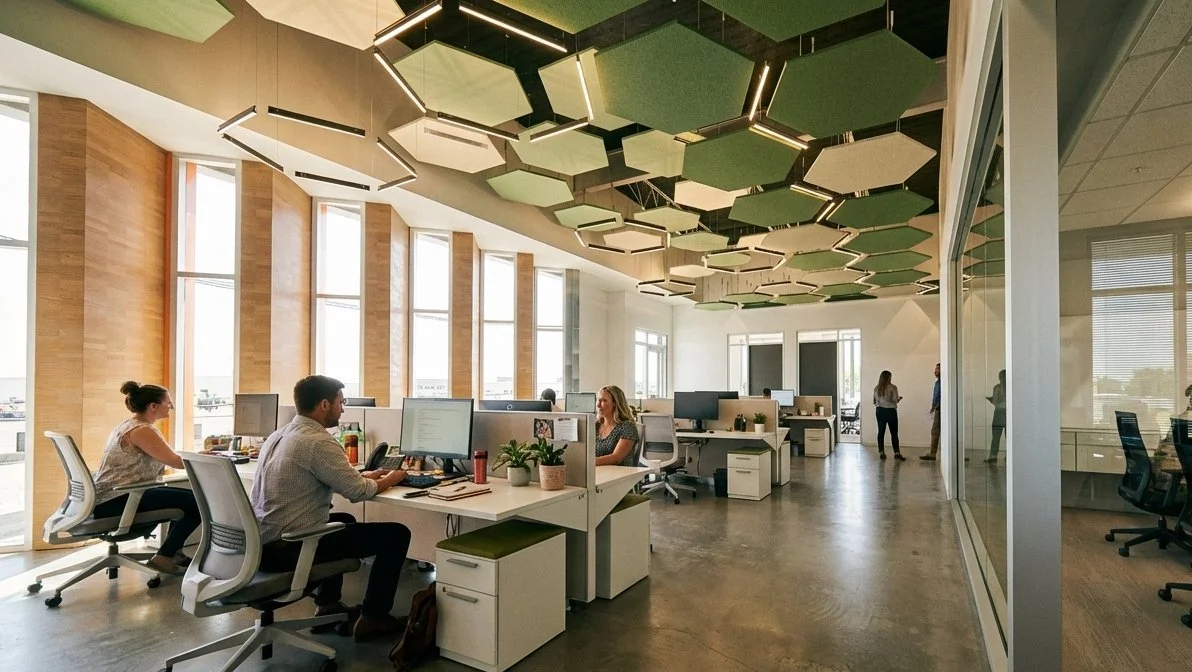
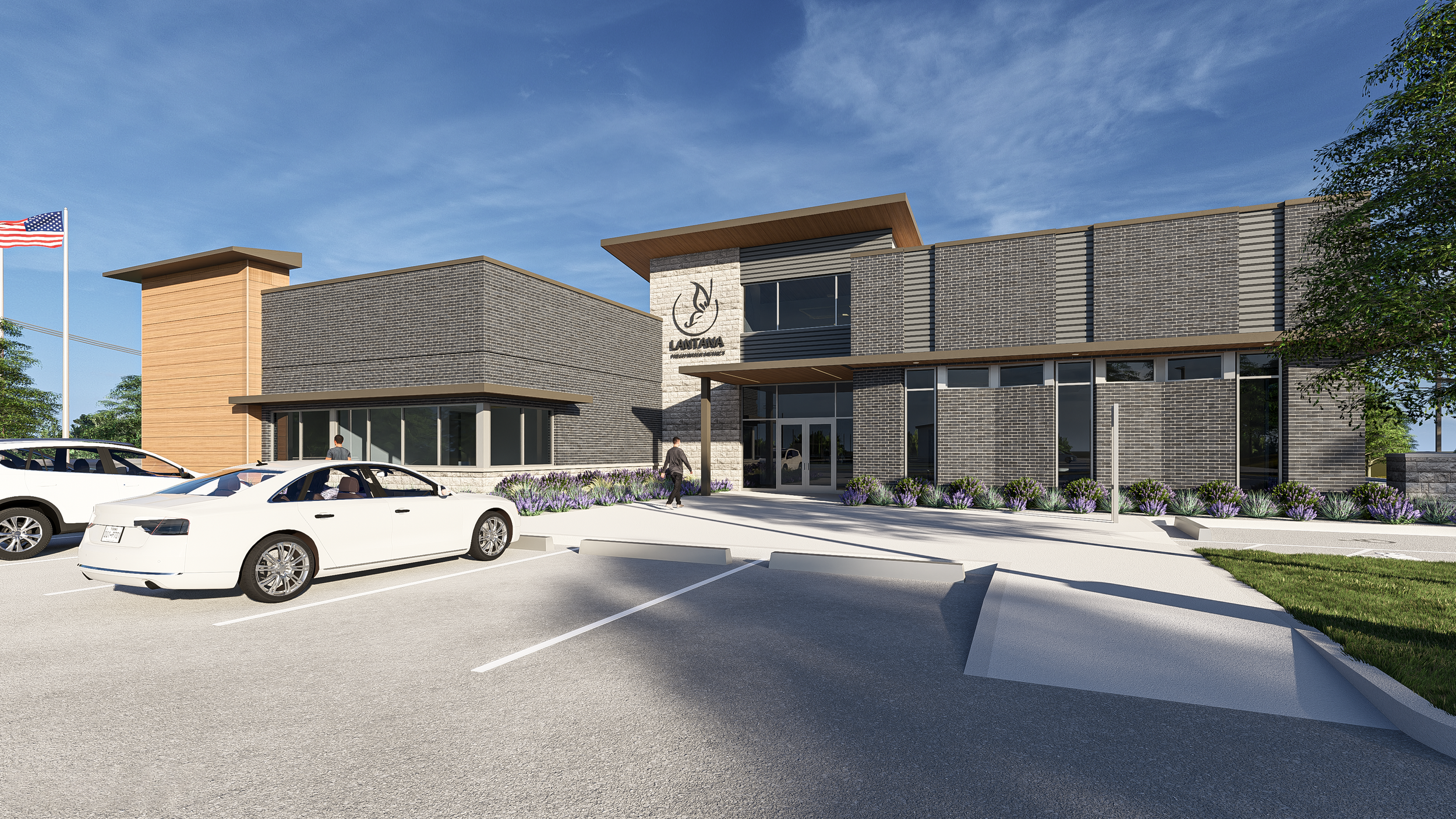
For the water district building, our designers used sawtooth exterior walls and incorporated windows as a strategy to enhance natural light and views while taking into consideration the building’s heat load on the west façade. Access to views of the natural world supports biophilic fundamentals.
There are various techniques designers use to allow daylight to infiltrate hard-to-reach areas. Clerestory windows, skylights and interior glazing are effective in bringing daylight into interior spaces. The team utilized glazed partitions in the water district building to allow natural light to penetrate the interior central spaces.
Quorum made good use of interior glazing in our office to allow daylighting to filter into the interior conference rooms. Additionally, the clerestory in Quorum’s office is original to the 1930s building, and the mezzanine space that it illuminates is a favorite gathering space among staff members.
Living Architecture
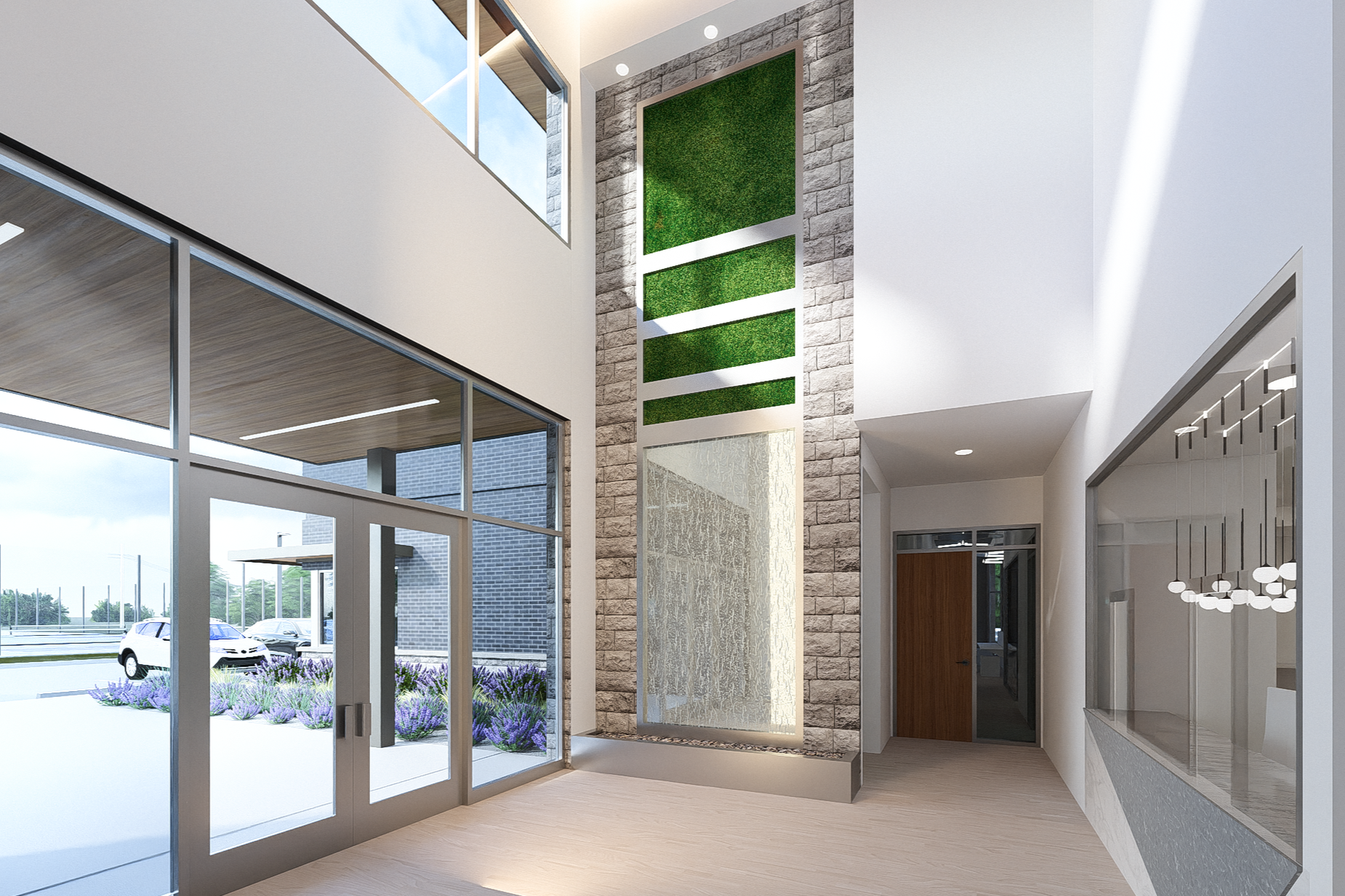
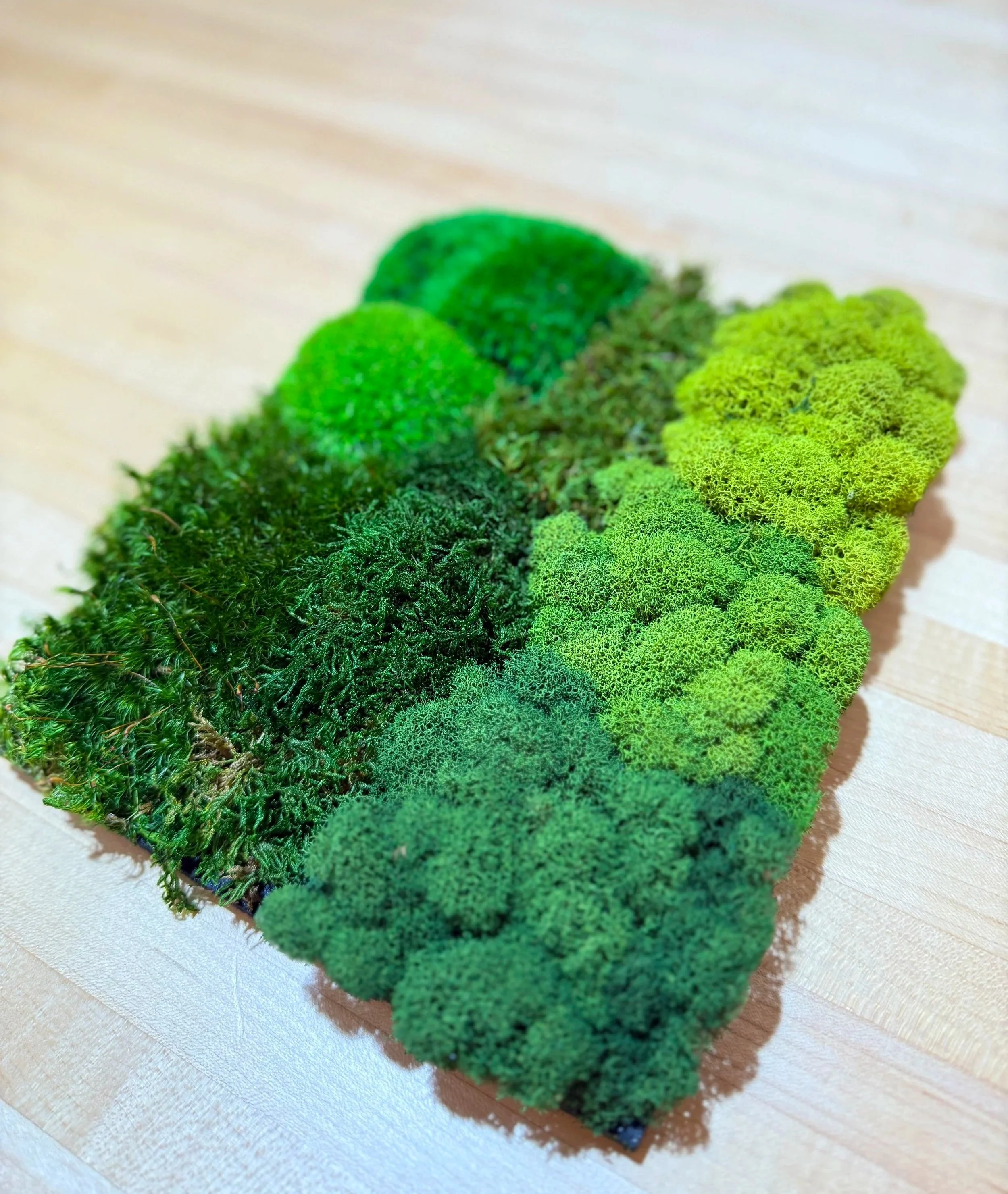
Integrating living architecture into our designs is probably what most people associate with biophilic design. Using greenery and plants in interior spaces is one easy way to accomplish this. For the water district project, the team incorporated a multi-sensory water feature that draws the eyes upward toward a wall-mounted display of lush reindeer moss in the lobby. These elements create drama as well as improve well-being and mood. Scientific studies suggest that the sound of running water can reduce cortisol levels and heart rate within five to 20 seconds of impact.
“The sound of running water can reduce cortisol levels and heart rate within five to 20 seconds of impact.”
Quorum utilized reindeer moss in our own office as a biophilic design element and to help with acoustics in a high-traffic area, another benefit of green living walls, or ceilings in this case. The color and the soft, sound-absorbing moss is a focal point that heightens the appeal of Quorum’s breakroom.
Fractal Patterns
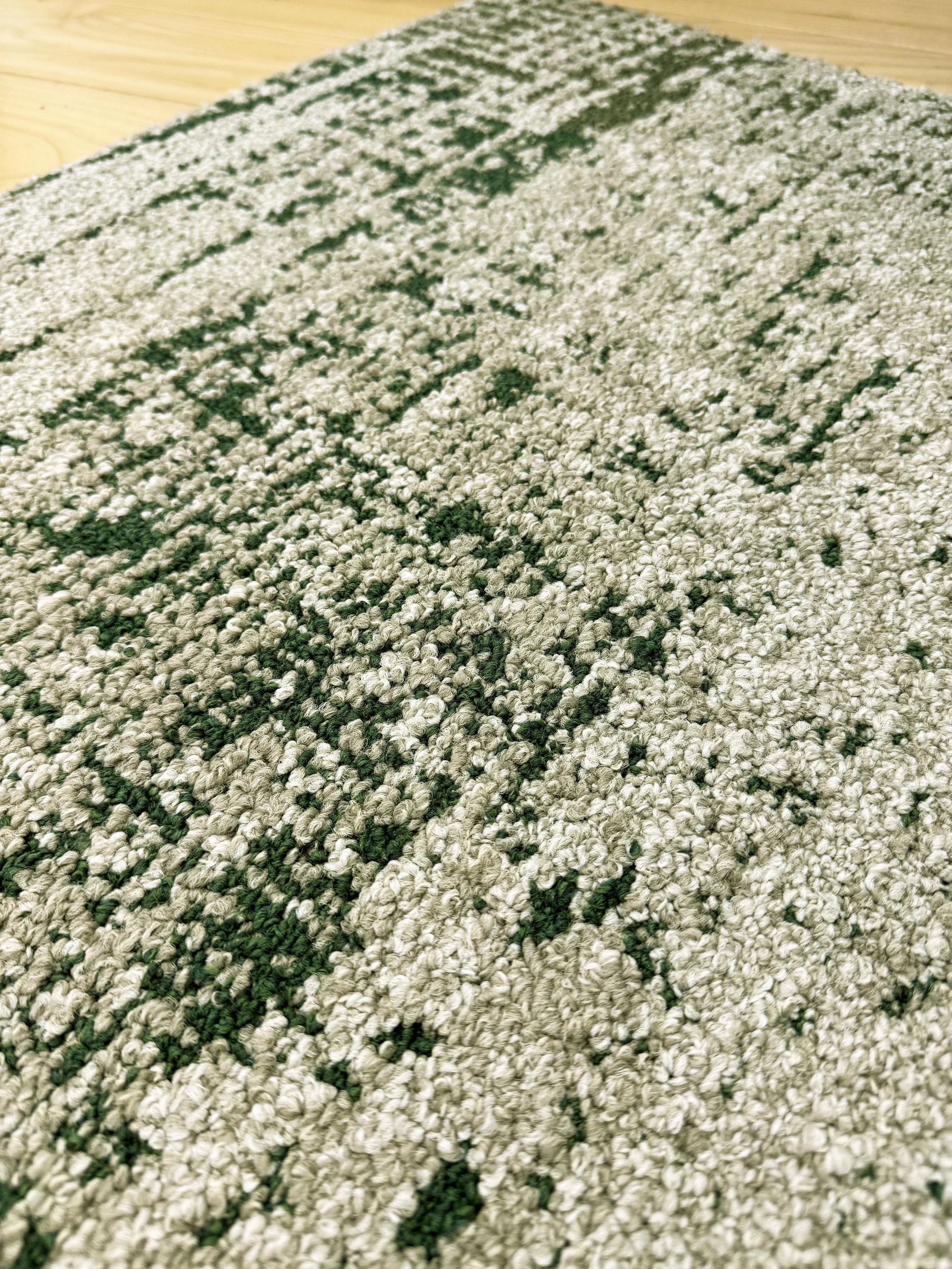
Biophilic fractals are self-repeating patterns that occur in the natural world. Imagine the repeating or random patterns of lichen, on seashells or seen in the layers of rock formations. Studies indicate people are naturally drawn to nature’s fractal patterns because they represent undisturbed natural environments and thus evoke a feeling of safety. Designers often utilize fractal patterns to create spaces that feel familiar and serene. The dissected patterns from nature can be seen in the rhythm of granite and marble veining or patterned wallcovering or textile. Fabricators have studied and incorporated cloud formations, tree bark, human tissue and animal migration patterns into the products and materials that are used in biophilic design.
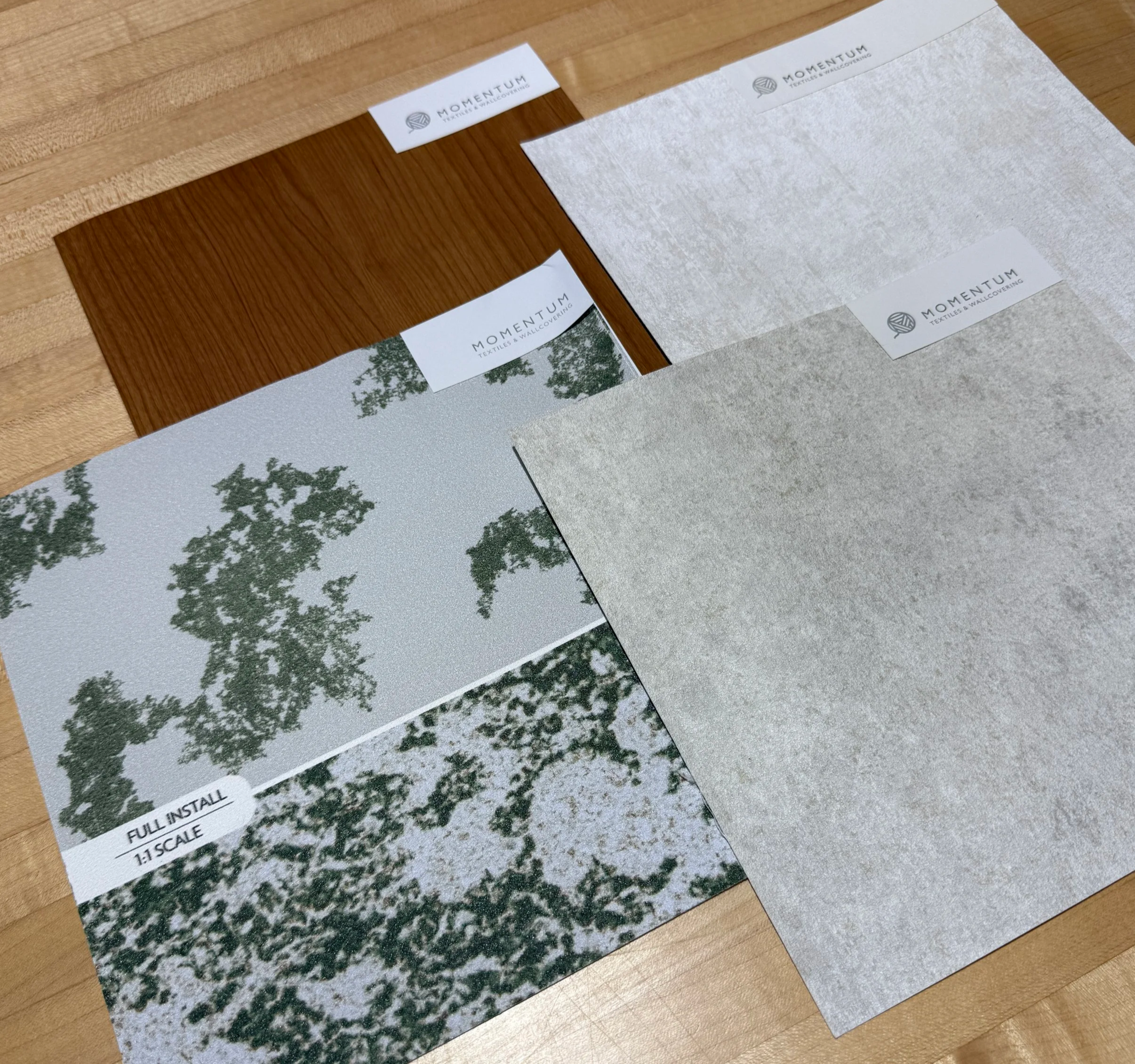
For the water building project, biophilic fractals are represented in the carpet design, quartz countertops and wallcovering which work together to create a peaceful environment through evidence-based design practices.
Sustainability
Another aspect of biophilic design is the sustainability factor of materials, products and finishes. Our team seeks out products that are approved through the Living Product Challenge (LPC), a cutting-edge, science-based certification program that sets the highest standards for sustainability and transparency in manufacturing. These products are made with healthy materials, are ethically manufactured and have net-positive benefits for the environment, including carbon, water, material health, social equity and overall impact of products on the planet. Imagine products that generate more renewable energy or consumable water than were consumed during production.
Aligned with the water district clients’ dedication to clean water and their lifestyle program, these sustainability strategies exemplify their mission to advance wellness, extending from everyday users of the facility to a worldwide impact.
Natural Materials
Using natural materials like stone and wood in the design of a building can evoke a sense of safety and comfort. Researchers discovered that the presence of wood in a room can have similar effects to being in a forest, lowering blood pressure and heart rate.
A natural stone is used in conjunction with a custom moss design and water feature in the water building lobby. By incorporating nature’s materials in the entryway, the design establishes a harmonious bridge between the interior spaces with the natural exterior environment. Wood is represented on the building’s exterior and adds warmth to interior walls, ceilings and cabinetry. Quartz with subtle veining is utilized on countertops, and ceramic tiles in colors and shades found in nature add interest to walls and floors.
Cohesive Design
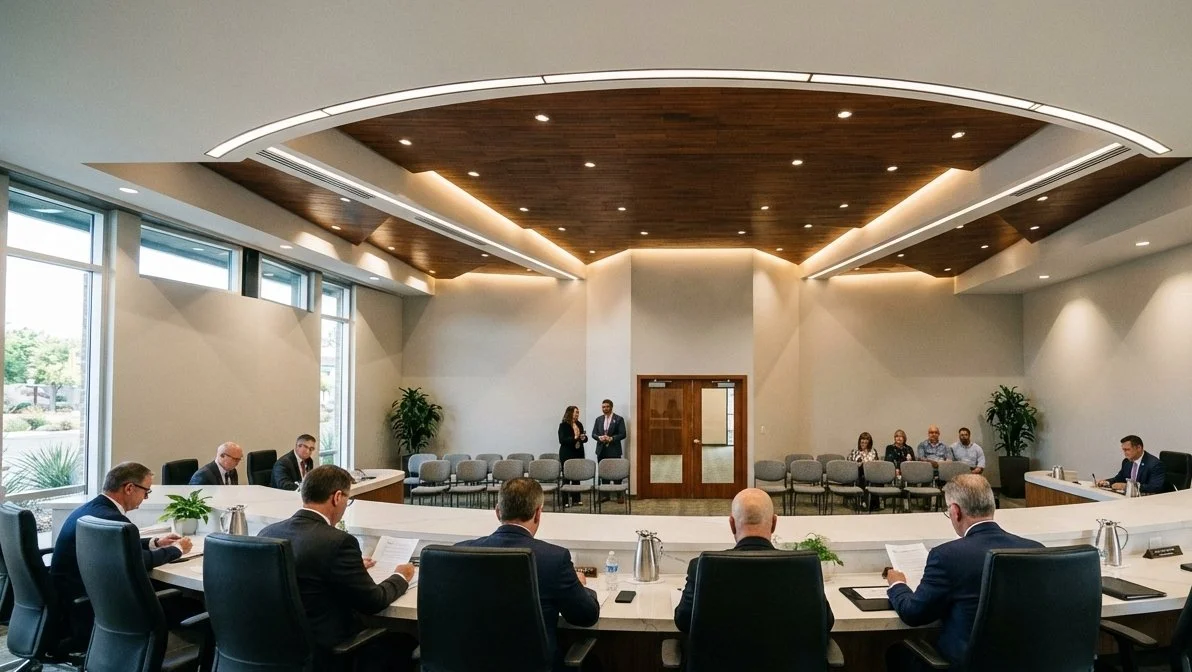
Designers consider every surface you see or touch within a building. They make design decisions and selections to enhance natural lighting and sound levels in every space. Intentional moments draw focus or create drama to evoke reactions in occupants and visitors. In short, designers who embrace biophilic design can create positive physical, mental and emotional responses in humans while positively impacting the environment.
For the water district office project, the client’s mission of enhancing water filtration and overall wellness on a global scale while improving well-being within the new building meshed perfectly with the principles of biophilic design. The strategy and techniques applied to this design support the brand and their vision for a brighter future.
Contact Quorum to schedule a complimentary consultation to discuss your facility goals.